
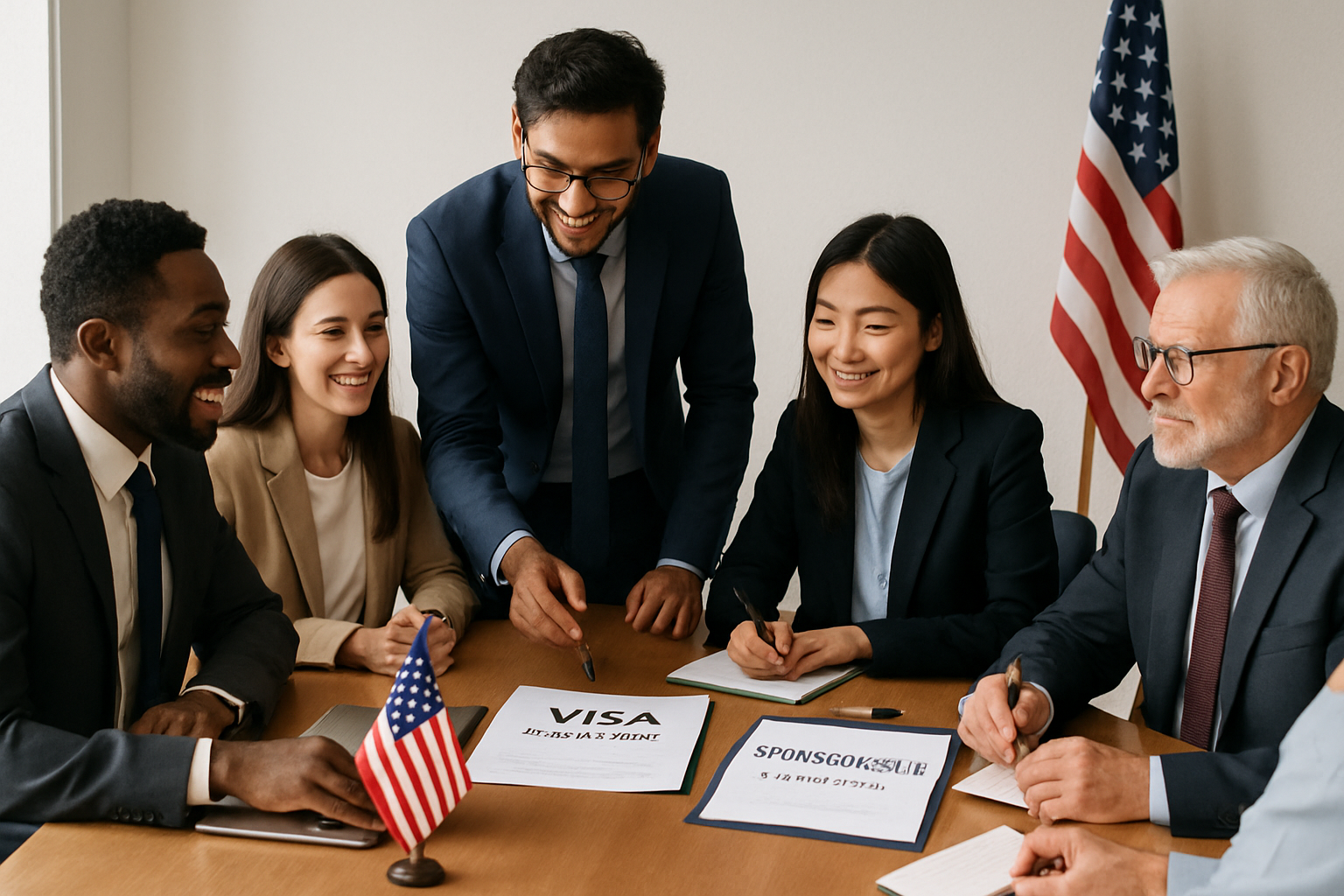
Introduction to Visa Sponsorship Jobs in the USA
Visa sponsorship jobs in the USA attract numerous international professionals seeking career growth and opportunities abroad. These jobs require an employer to sponsor a potential employee for a work visa, allowing them to legally live and work in the United States. Understanding the visa sponsorship process, types of visas, eligible professions, and key application strategies can significantly improve your chances of securing such a position.
With globalization increasing and the U.S. economy relying heavily on skilled foreign labor, visa sponsorship has become a cornerstone of international recruitment. However, the pathway to securing a visa-sponsored position can be complex and competitive. This guide aims to provide a thorough understanding of the visa sponsorship landscape, helping you navigate each step from job searching to securing your work visa.
Understanding Visa Sponsorship and Its Importance
Visa sponsorship is a formal process where a U.S. employer petitions the government on behalf of a foreign national to grant them permission to work in the country. The employer typically files paperwork demonstrating a legitimate job offer and the candidate’s qualifications.
This sponsorship is crucial because it enables international workers to gain legal access to the U.S. job market. Without sponsorship, most work-related visas cannot be obtained, making this step indispensable for foreign professionals planning careers in America.
In essence, visa sponsorship signifies an employer’s commitment not only to hire but also to assist the employee through the bureaucratic and legal processes required by U.S. immigration law. This commitment often involves covering application fees, preparing detailed documentation, and sometimes proving that no qualified U.S. workers are available to fill the position.
Given these complexities, employers tend to be selective about which positions they are willing to sponsor. Thus, understanding the employer’s perspective and the legal framework surrounding sponsorship can help candidates position themselves more effectively.
Common Types of Work Visas Requiring Sponsorship
Several visa categories allow employment in the U.S. with employer sponsorship. Understanding the differences is key when applying for jobs that offer visa sponsorship:
- H-1B Visa: For specialized occupations requiring a bachelor’s degree or higher. Professions often include IT, engineering, finance, and healthcare. This visa is capped annually, making the application process highly competitive.
- L-1 Visa: For internal company transfers of executives, managers, or employees with specialized knowledge. It allows multinational companies to relocate key personnel within the organization.
- O-1 Visa: For individuals with extraordinary ability or achievement in fields such as arts, sciences, education, or athletics. It requires proving national or international acclaim in the field.
- TN Visa: Available to Canadian and Mexican citizens under NAFTA (now USMCA) for specific professional occupations like engineers, accountants, and scientists.
- EB-2 and EB-3 Visas: Employment-based immigrant visas leading to permanent residency, often requiring labor certification and employer sponsorship. These visas provide a pathway to a green card and eventual U.S. citizenship.
Each visa type has unique eligibility criteria, application timelines, and processing procedures. For example, the H-1B visa has a strict cap and application window, requiring early preparation, while the L-1 visa applies only to multinational companies with qualifying relationships abroad.
It is also important to note that some visa categories enable dual intent, allowing visa holders to pursue permanent residency concurrently, while others require nonimmigrant intent, influencing long-term career planning.
Top Industries Offering Visa Sponsorship Jobs
Certain industries are more active in sponsoring foreign workers due to a consistent demand for specialized skills:
- Information Technology (IT): Software developers, data scientists, cybersecurity analysts. The rapidly evolving technology sector continually requires niche expertise that often leads employers to sponsor H-1B and other visas.
- Healthcare: Physicians, nurses, medical researchers. The U.S. faces significant shortages in certain medical fields, increasing sponsorship opportunities.
- Engineering: Civil, mechanical, electrical engineers. Specialized projects and infrastructure development frequently demand highly skilled engineers from abroad.
- Financial Services: Analysts, accountants, auditors. Globalization of financial markets encourages companies to seek international talent familiar with diverse regulatory environments.
- Academia and Research: University professors, lab scientists. Research institutions often sponsor foreign scholars to contribute to scientific advancement and teaching.
These fields often present more visa sponsorship opportunities due to skill shortages in the domestic labor pool.
It is worth noting emerging fields such as renewable energy, biotechnology, and artificial intelligence are also increasingly sponsoring foreign talent. Keeping abreast of industry trends can help candidates pinpoint where new opportunities arise.
How to Find Visa Sponsorship Job Opportunities Effectively
Searching for visa sponsorship jobs requires targeted effort due to employer hesitance and additional paperwork. Use the following approaches:
- Use Specialized Job Boards: Websites like MyVisaJobs, H1BGrader, and Glassdoor have filters for visa sponsorship jobs. These platforms also provide insights about employers’ sponsorship history and success rates.
- Network Strategically: Engage in professional groups on LinkedIn and join industry-specific associations to connect with employers open to sponsorship. Attending job fairs and webinars focused on international employment can also generate leads.
- Focus on Large Companies: Big corporations often have experience with visa sponsorship processes and dedicated HR teams. They are more likely to invest in international recruitment and provide legal assistance.
- Direct Approach: Apply directly on company websites and explicitly mention your visa sponsorship needs in your cover letters. Tailoring applications to demonstrate understanding of the company’s business can make you a more attractive candidate.
- Leverage University Career Centers: For recent graduates, university career services often maintain partnerships with employers who sponsor visas and can provide valuable guidance.
Patience and persistence are essential as employers go through multi-layered approval processes. Building relationships and demonstrating your unique skillset will help overcome initial reservations about sponsorship.
Step-by-Step Guide to Applying for Visa Sponsorship Jobs
- Identify Eligible Roles: Research jobs that traditionally sponsor visas and match your skills. Prioritize roles with consistent sponsorship trends.
- Prepare a Strong Resume and Cover Letter: Tailor these documents to highlight qualifications and readiness to work in the U.S. Emphasize any previous international experience and understanding of work authorization.
- Apply Through Trusted Channels: Use reputable job portals and company websites. Beware of scams and unauthorized recruiters.
- Prepare for Interviews: Be ready to discuss your visa status and employment eligibility confidently. Mention your willingness to assist with the sponsorship process and clarify any questions regarding timelines.
- Follow Up: Send thank-you notes and maintain communication regarding sponsorship timelines. Demonstrating professionalism reinforces your commitment.
Additionally, stay organized by tracking applications, interview schedules, and feedback. Utilize technology tools like spreadsheets or job-tracking apps to streamline your job search and sponsorship process awareness.
Common Challenges and Mistakes to Avoid
- Ignoring Visa Timelines: Visa caps and application cycles can affect availability. Plan applications accordingly and be aware of filing dates to avoid missing crucial deadlines.
- Applying to Unsuitable Roles: Not all jobs qualify for sponsorship. Confirm eligibility before applying to save time and effort.
- Lack of Employer Research: Some companies do not sponsor visas. Verify company policies first by checking official resources or contacting HR.
- Poor Documentation: Missing or incomplete paperwork can delay or reject petitions. Double-check all forms and supporting documents when submitting applications.
- Overlooking Legal Advice: Consulting an immigration attorney about your case can prevent costly errors. When in doubt, professional guidance is invaluable, especially for complex immigration cases.
Remaining proactive and informed can mitigate these pitfalls, increasing the likelihood of a smooth sponsorship and employment experience.
Actionable Recommendations for Success
- Enhance Your Qualifications: Obtain certifications and gain experience in high-demand areas. Continuous learning makes you a more attractive candidate for sponsors.
- Build a Professional Online Presence: Update your LinkedIn profile emphasizing your visa sponsorship openness. Share content demonstrating industry knowledge to boost visibility.
- Be Flexible with Locations: Some regions have more sponsorship opportunities than others. Consider relocating to areas with a high concentration of sponsoring employers.
- Stay Informed: Monitor changes in U.S. immigration policies affecting work visas. Government websites and reputable immigration resources are excellent sources.
- Consult Experts: Use immigration consultants and legal professionals for guidance. They can offer personalized advice tailored to your circumstances.
- Prepare Financially: Some visa applications involve costs either to you or your employer. Ensure you understand these obligations to avoid surprises.
- Demonstrate Cultural Adaptability: Employers value candidates who can integrate smoothly into diverse work environments. Highlight any cross-cultural experience in applications and interviews.
Additional Insights on Employer Perspectives and Sponsorship Trends
Understanding the employer’s viewpoint is vital when seeking visa sponsorship. Sponsoring a foreign worker involves significant administrative and financial investment, so companies often prefer candidates who bring unique qualifications or experience not readily available in the domestic workforce.
In recent years, companies are increasingly leveraging remote work and international talent acquisition strategies, which may impact sponsorship dynamics. While some employers prefer hiring employees already authorized to work, others remain committed to sponsorship to secure the best global talent.
Government policies and economic factors also influence sponsorship trends. For example, shifts in visa quotas, processing times, and immigration priorities can affect availability and employer willingness to sponsor. Staying current on these factors allows candidates to strategize effectively.
Conclusion
Visa sponsorship jobs in the USA offer valuable pathways for international professionals seeking to work legally in the country. By understanding the visa types, industries, application processes, and common pitfalls, candidates can better navigate the complex sponsorship landscape. Strategic preparation, research, and networking are essential to securing a visa sponsorship job successfully.
Approaching the job search with a comprehensive plan—grounded in realistic expectations and informed decisions—will enhance your chances of success. Remember that securing visa sponsorship is not only about demonstrating your qualifications but also about aligning with an employer’s needs and navigating legal requirements expertly.
With persistence and the right resources, international professionals can unlock myriad opportunities in the U.S. job market and build rewarding careers supported by appropriate visa sponsorship.
Frequently Asked Questions (FAQs) About Visa Sponsorship Jobs in USA
What is visa sponsorship?
Visa sponsorship is when a U.S. employer supports and files the necessary government petitions to enable a foreign national to work legally in the United States.
Which job sectors are most likely to offer visa sponsorship?
Industries like Information Technology, healthcare, engineering, financial services, and academia commonly offer visa sponsorship due to high demand for skilled labor.
Can any employer sponsor a visa?
Not all employers sponsor visas. Larger companies and those with experience hiring foreigners are more likely to do so.
What visa type should I apply for if seeking sponsorship?
The H-1B visa is the most common for specialized roles, but options like L-1, O-1, TN, and employment-based green cards also require sponsorship.
How can I improve my chances of getting a sponsored job?
Enhance your skills, research companies that hire foreign workers, network strategically, and prepare strong applications tailored to visa sponsorship roles.