
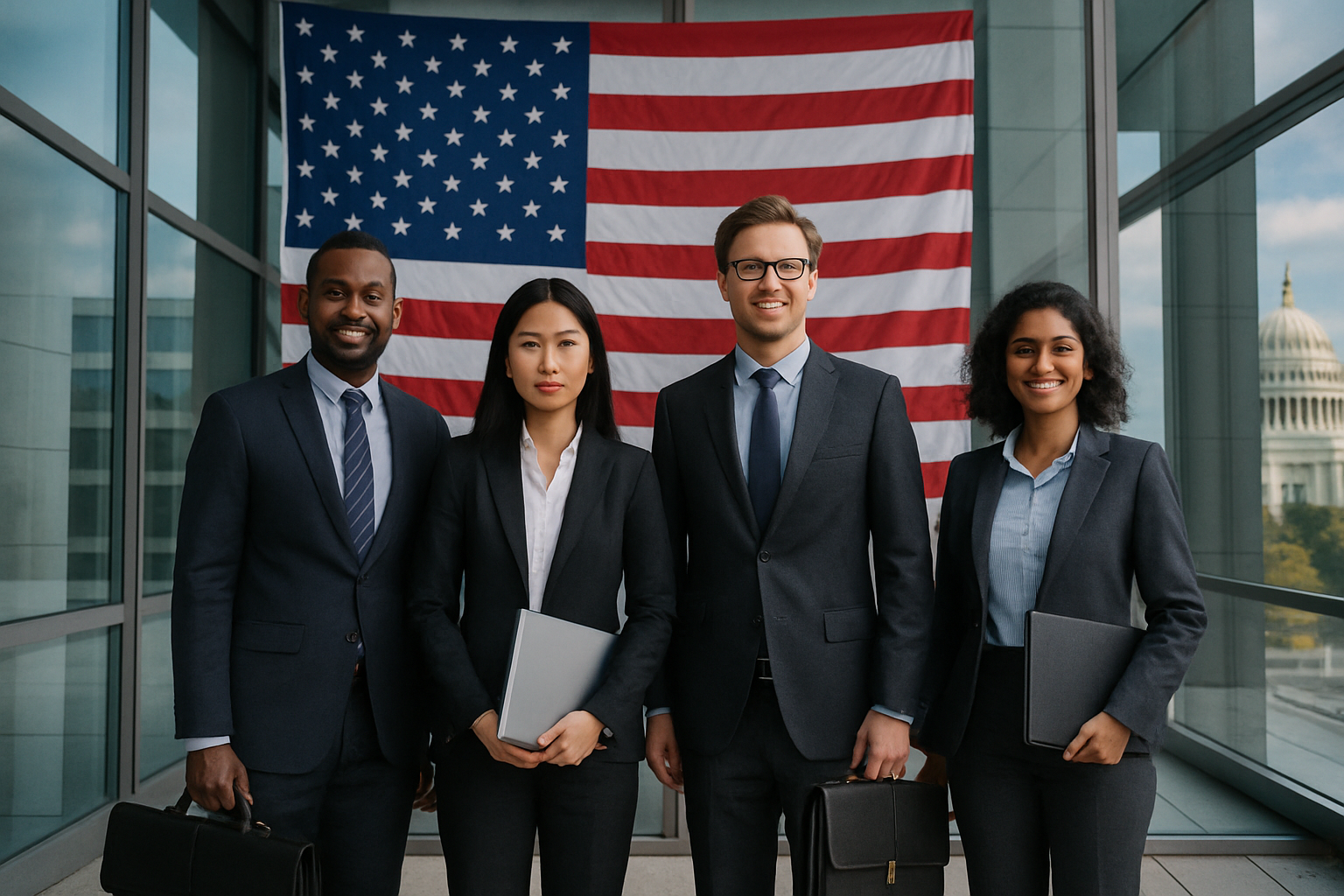
Introduction to Visa Sponsorship Jobs in the USA
The United States remains a prime destination for skilled professionals globally. However, securing employment in the USA often requires navigating the complex process of visa sponsorship. Visa sponsorship jobs in the USA are roles where an employer sponsors a foreign national’s work visa, allowing them to legally work and reside in the country. This guide explores the landscape of visa sponsorship jobs, eligibility criteria, practical steps to find these jobs, as well as actionable tips for success.
This article aims to provide comprehensive insight not only into the types of visas and their respective requirements but also into strategic approaches international candidates can use to enhance their chances of success. Understanding the nuances of the US immigration and employment laws is crucial to making informed decisions and effectively planning your career path in the United States.
Understanding Visa Sponsorship and Its Importance
Visa sponsorship is when a US employer petitions on behalf of a foreign worker to grant them a work visa. The most common visa types for employment include H-1B, L-1, O-1, and TN visas, among others. Sponsorship demonstrates that the employer has a legitimate job offer and is willing to comply with government regulations to employ a foreign national legally.
This sponsorship process is essential because most foreign nationals require employer backing to fulfill eligibility requirements for entry and work authorization in the US. Without sponsorship, it is generally not possible to legally work in the country.
Moreover, visa sponsorship is a gateway to not only working legally but also accessing additional benefits, such as the potential for permanent residency, dependent visas for family members, and eligibility for further visa renewals or extensions. Employers play a pivotal role by ensuring all regulatory processes are followed, including labor certifications and adherence to wage requirements, to protect both the employee’s rights and the integrity of the US labor market.
Common Types of Work Visas Requiring Sponsorship
- H-1B Visa: For specialty occupations requiring at least a bachelor’s degree or equivalent experience. It is the most popular visa for skilled workers such as IT professionals, engineers, scientists, and healthcare workers.
- L-1 Visa: For intra-company transferees moving to a US branch, subsidiary, or affiliate of their current employer.
- O-1 Visa: For individuals with extraordinary ability or achievement in their field, such as artists, athletes, and researchers.
- TN Visa: Available for Canadian and Mexican citizens under NAFTA for certain professions.
- EB-3 Visa: An employment-based immigrant visa for professionals, skilled workers, and other workers, often requiring a permanent job offer and sponsorship.
- Other Notable Visas: The E-2 visa for treaty investors, H-2B for temporary non-agricultural workers, and the J-1 exchange visitor visa also include scenarios where sponsorship plays a key role, expanding opportunities depending on the individual’s profile and employment goals.
How to Find Visa Sponsorship Jobs in the USA
Finding a visa sponsorship job requires targeted job search strategies and understanding employer requirements. Here are practical steps to locate these opportunities:
- Use Specialized Job Portals: Websites like MyVisaJobs, H1BGrader, and GoinGlobal specifically list employers offering visa sponsorship. Leveraging these platforms can help you identify companies with proven sponsorship records.
- Target Large Multinational Companies: Large organizations often have established programs and resources to sponsor international employees. Industries like technology, finance, healthcare, and engineering are especially active in sponsoring foreign workers.
- Look for Job Listings Explicitly Stating Sponsorship Availability: Many job ads will mention if they are open to sponsoring visas. Use filters on major job portals like LinkedIn, Indeed, and Glassdoor to find such listings.
- Networking: Connecting with professionals already working in the US can provide referrals and insights into sponsorship opportunities. Attend industry conferences, alumni events, or online professional groups to build meaningful connections.
- Consult Immigration Attorneys and Career Counselors: They can offer guidance tailored to individual circumstances and help you understand your rights, obligations, and effective strategies that maximize your chances of success.
- Participate in Job Fairs: Many universities and professional organizations hold job fairs targeted at international candidates, showcasing employers interested in sponsoring visas.
Eligibility Criteria for Visa Sponsorship Jobs
While criteria vary depending on the visa type, common eligibility requirements include:
- Education and Experience: A relevant degree or professional experience aligned with the job. For many visas, a minimum of a bachelor’s degree or its equivalent is mandatory.
- Specialized Skills: For H-1B and similar visas, applicants should fill a specialty occupation that needs specific skill sets. This often involves roles in science, technology, engineering, and mathematics (STEM) fields.
- Job Offer: A firm job offer from a US employer willing to sponsor the visa. The employer must provide documentation and be prepared to fulfill sponsorship obligations.
- Compliance with Regulations: The employer must comply with Department of Labor requirements including wage standards and labor condition applications. This ensures that the employment of foreign workers does not adversely affect the wages and working conditions of U.S. workers.
- Language Proficiency: Although not always formally required, strong English language skills often improve employability and integration prospects.
- Valid Documentation: Any required transcripts, certificates, licenses, or credentials must be verifiable and, when necessary, evaluated for equivalency in the US system.
Common Challenges in Securing Visa Sponsorship Jobs
Candidates face several obstacles, such as:
- H-1B Lottery System: The annual cap and lottery system limit the number of H-1B visas, making the process highly competitive. Many qualified applicants may not be selected, necessitating alternative plans.
- Employer Reluctance: Some employers avoid sponsorship due to perceived complexity and costs involved. Smaller companies particularly may lack resources or experience.
- Documentation and Legal Complexity: The sponsorship process requires extensive paperwork and compliance from both employer and employee, including labor condition applications and timely petition filings.
- Cultural and Geographic Barriers: International candidates may not have local work experience or networks, which can be a disadvantage in hiring processes.
- Changing Immigration Policies: Frequent changes in immigration laws and regulations can create uncertainty, delays, or increased scrutiny during the visa application process.
- Processing Delays: Additional waiting times for visa application processing and potential requests for evidence (RFEs) can prolong relocation timelines.
Tips for Job Seekers Applying for Visa Sponsorship Positions
Success in obtaining a sponsored job requires both careful preparation and strategic approaches. Consider the following tips:
- Highlight Relevant Skills and Qualifications: Tailor your resume and cover letter to emphasize skills aligning with specialty occupation requirements. Use keywords from the job description.
- Research Potential Employers: Focus on companies that have a history of sponsoring visas or are known to participate actively in global talent recruitment.
- Prepare for Interviews Thoroughly: Demonstrate not only technical expertise but also cultural fit, communication skills, and commitment to relocating and integrating smoothly.
- Be Transparent About Visa Status: Clarify your current status and sponsorship needs early in the process to set expectations and build trust with prospective employers.
- Consider Alternative Visa Options: Look into other visas if H-1B is not feasible, such as L-1 if you work for a multinational, O-1 for extraordinary skills, or even temporary visas like H-2B, if relevant.
- Build a Strong Professional Network: Engage with professional communities, alumni networks, and mentors who can provide referrals and advice.
- Stay Updated: Visa rules and employment laws can change; staying informed ensures compliance and better planning. Sign up for newsletters or follow official government websites.
- Enhance Your Qualifications: Pursuing higher education, certifications, or professional development can make you a more competitive candidate.
- Be Patient and Persistent: The process can be long and complex, but persistence and proactive efforts significantly improve your opportunities of success.
Case Study: Successfully Securing an H-1B Visa Sponsorship Job
Consider the example of Anjali, a software engineer from India who wanted to work in the USA. She researched companies with active sponsorship policies, tailored her resume with relevant American standards, and applied to several multinational tech firms. Upon securing an interview, she highlighted her specialized skills and project experience. One company extended a job offer. The employer filed an H-1B petition on her behalf, which was selected in the lottery. Anjali obtained her visa, relocated, and began her career in the US successfully. This case highlights the importance of preparation, targeted applications, and persistence.
Additional detailed steps she took included networking via LinkedIn to connect with current employees, attending webinars focused on H-1B job searches, and consulting an immigration lawyer to understand the sponsorship process thoroughly. She also prepared extensively for interviews by practicing common technical questions and articulating her long-term career goals in the US. These efforts collectively contributed to her success.
Additional Resources and Support Systems for Visa Sponsorship Candidates
International job seekers should leverage various support systems to navigate the sponsorship process and maximize their chances of success. Resources include:
- University Career Services: Many colleges in the US and abroad assist international students and alumni seeking visa sponsorship jobs.
- Professional Associations: Joining associations related to your field can provide networking, mentorship, and access to job boards with sponsorship listings.
- Government Resources: The US Department of Labor and United States Citizenship and Immigration Services (USCIS) websites provide updated guidelines and procedures.
- Counseling and Workshops: Immigration attorneys and career counselors often conduct workshops on securing sponsored employment and understanding visa compliance.
- Online Forums and Communities: Platforms such as Reddit, blind, and immigration-specific forums help share experiences and advice among candidates.
Conclusion
Visa sponsorship jobs in the USA offer a pathway for global professionals seeking to advance their careers. Understanding the visa types, eligibility, and employer expectations is critical. With strategic job searching, proper documentation, and proactive communication, candidates can overcome challenges and secure valuable sponsorship opportunities. Staying informed and adaptable is essential in navigating this complex employment landscape.
In addition to the evident benefits, securing visa sponsorship can open doors to long-term residency and career development in one of the world’s most dynamic job markets. By investing time in research, networking, and skill enhancement, international candidates can position themselves effectively for these coveted roles. Ultimately, persistence, professionalism, and preparedness are key factors leading to success in the quest for visa-sponsored employment in the United States.